Protecting a commercial building goes far beyond installing deadbolts and a few security cameras. Property owners and managers are facing a growing concern over rising incidents of theft, workplace violence, and after-hours break ins that threaten both valuable assets and daily operations. Office towers, mixed-use properties, and corporate buildings require layered defenses that adapt to evolving security threats.
This article covers the practical basics to commercial building protection services with guard services, focusing on how facility managers and property owners can build effective defense strategies. We’ll examine how on-site security personnel, mobile patrol, access control systems, video surveillance, and remote guarding work together to create a secure environment.
Aegis Protective Services is a family-owned security provider founded in 1993, offering protective services nationwide. Our approach combines guard services with integrated electronic systems, giving property managers comprehensive protection from a single source.
Whether you manage a Class A office tower or a multi-tenant commercial center, understanding these fundamentals will help you make a smart investment in your building’s safety.
Understanding Your Building’s Unique Security Risks
No two properties share identical security requirements. A downtown Cincinnati high-rise faces different potential threats than a suburban Indianapolis warehouse or a medical office building in Tampa. Your risk profile depends on location, operating hours, tenant mix, and historical incident patterns.
A basic risk assessment should examine:
- Perimeter exposure and entry points
- Parking lots and parking enforcement needs
- Loading docks and delivery areas
- Lobby access and elevator controls
- Stairwells, roof access, and mechanical rooms
- Sensitive areas like data centers or executive suites
Common threats in commercial property security include unauthorized entry, employee theft, vandalism, tailgating into secure floors, disgruntled former employees, and after-hours trespassing. At Aegis, we typically perform an on-site walkthrough and review incident history, local crime data, and existing security systems before recommending guard staffing and technology upgrades.
Core Elements of Commercial Building Protection
Layered security combines people, procedures, and technology to create better protection than any single measure alone. For office buildings and mixed-use commercial centers, this means integrating multiple defensive elements that support each other.
Essential layers include:
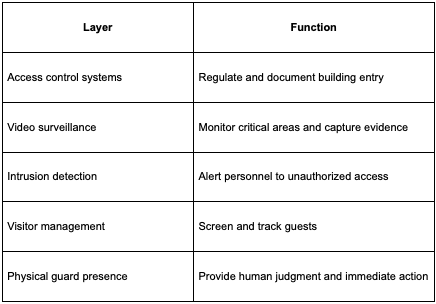
These elements should not operate in silos. Security teams, building staff, and electronic systems must share information in real time for operational efficiency. Aegis focuses on end-to-end solutions: consulting, design, installation, and guard deployment to simplify security operations for property managers.
Security Guard Services as the Backbone of Protection
Security guard services form the visible, adaptable core of any building protection program. Unlike cameras that only record, trained security personnel can assess situations, de-escalate conflicts, and take immediate action when security incidents occur.
Typical responsibilities for commercial building guards include:
- Lobby access control and badge checking
- Visitor sign-in and credential verification
- Patrols of parking structures and common areas
- Delivery checks at loading docks
- Incident reporting and documentation
High-quality guard programs include detailed post orders, ongoing training on site-specific procedures, and coordination with building management and local law enforcement. Professional security providers ensure guards understand their role within the broader security strategy rather than operating independently.
Consider this scenario: A trained guard stationed at a loading dock notices an unfamiliar individual attempting to access the area without proper credentials. By intercepting this person before they reach valuable equipment, the guard prevents potential financial loss and documents the incident for future reference. This type of prompt response demonstrates why human judgment remains irreplaceable in commercial security.
Uniformed Security Officers
A visible security presence in lobbies, parking lots, and loading bays deters opportunistic crime while providing peace of mind to tenants and visitors. Uniformed security officers project professional authority through branded attire, clear identification, and proper equipment including radios and mobile devices.
Typical commercial building posts for uniformed officers include:
- Main lobby reception desk
- Secondary entrance doors
- Guard tour routes through stairwells
- Rooftop access checkpoints
- Dock control stations
Uniformed officers support access control by verifying badges, managing turnstiles, addressing tailgating, and escorting visitors to tenant floors. This human element catches behavioral anomalies that modern tools and automated systems might miss.
Aegis customizes officer duties based on building type. A corporate headquarters may require formal protocols and concierge services like greeting tenants and wayfinding assistance, while a medical office building needs officers trained in patient privacy and handling emergencies specific to healthcare settings.
Armed vs. Unarmed Guards in Commercial Buildings
Most standard office and commercial buildings rely on unarmed guards, with industry data showing that 80-90% of commercial deployments use unarmed security personnel. However, some higher-risk sites require armed coverage.
Unarmed officers are typically appropriate for:
- Class A and B office towers
- Multi-tenant commercial buildings
- Campuses with low history of violent incidents
Armed guards might be considered for:
- Facilities with cash handling operations
- Sensitive data centers
- Elevated workplace violence risk locations
- Properties near high-crime corridors
Both armed and unarmed guards should be state-licensed, background checked, and trained in de-escalation, report writing, and emergency response. The decision between armed and unarmed coverage involves careful consultation with building owners, HR, and legal teams to determine whether armed protection is justified and to develop clear use-of-force policies.
On-Site Security Personnel: Roles and Integration
On-site security personnel are officers permanently assigned to a property who develop deep knowledge of tenants, routines, and specific risks. This familiarity allows them to identify unusual activity that rotating staff might miss.
Key functions include:
- Continuous monitoring of access control alerts
- Alarm response and verification
- Escorting employees to vehicles after hours
- Locking and unlocking schedules
- Coordinating with maintenance for broken doors or lights
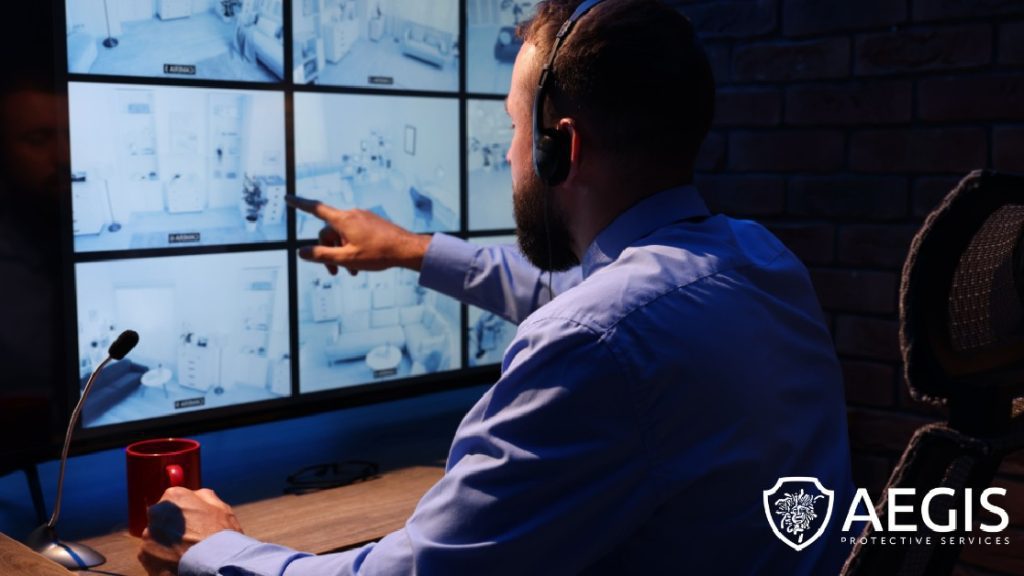
On-site personnel integrate with electronic systems by receiving real time monitoring alerts, reviewing live video feeds, and verifying visitor credentials against pre-registered lists. Shift coverage across day, swing, and overnight hours requires detailed handoff briefings so each officer knows current incidents, work orders, and potential threats.
Mobile Patrol for Multi-Site and After-Hours Protection
Mobile patrol offers a cost-effective option for properties that don’t require 24/7 on-site guards but still need regular security checks. This approach is particularly valuable for commercial portfolios with several buildings across a region.
Mobile patrol services typically include:
- Marked patrol vehicles with GPS tracking
- Randomized and scheduled stops
- Exterior perimeter checks
- Door and gate inspections
- Parking lot sweeps and light outage reporting
Industry data suggests irregular patrol patterns reduce break ins by up to 40% in commercial zones. Mobile patrol integrates effectively with alarm systems—patrol officers can serve as first responders for after-hours alarms, providing alarm response faster than police in many scenarios and reducing the need for property managers to respond in person.
Remote Guarding and Technology-Enabled Monitoring
Remote guarding combines surveillance systems, video analytics, audio talk-down capabilities, and off-site security operators who can intervene in real time. This approach achieves continuous monitoring at 40-60% lower costs than full-time on-site guards.
Remote guarding works well for:
- Lobbies after business hours
- Loading docks without full-time guard coverage
- Large parking structures
- Multiple entry points across a property
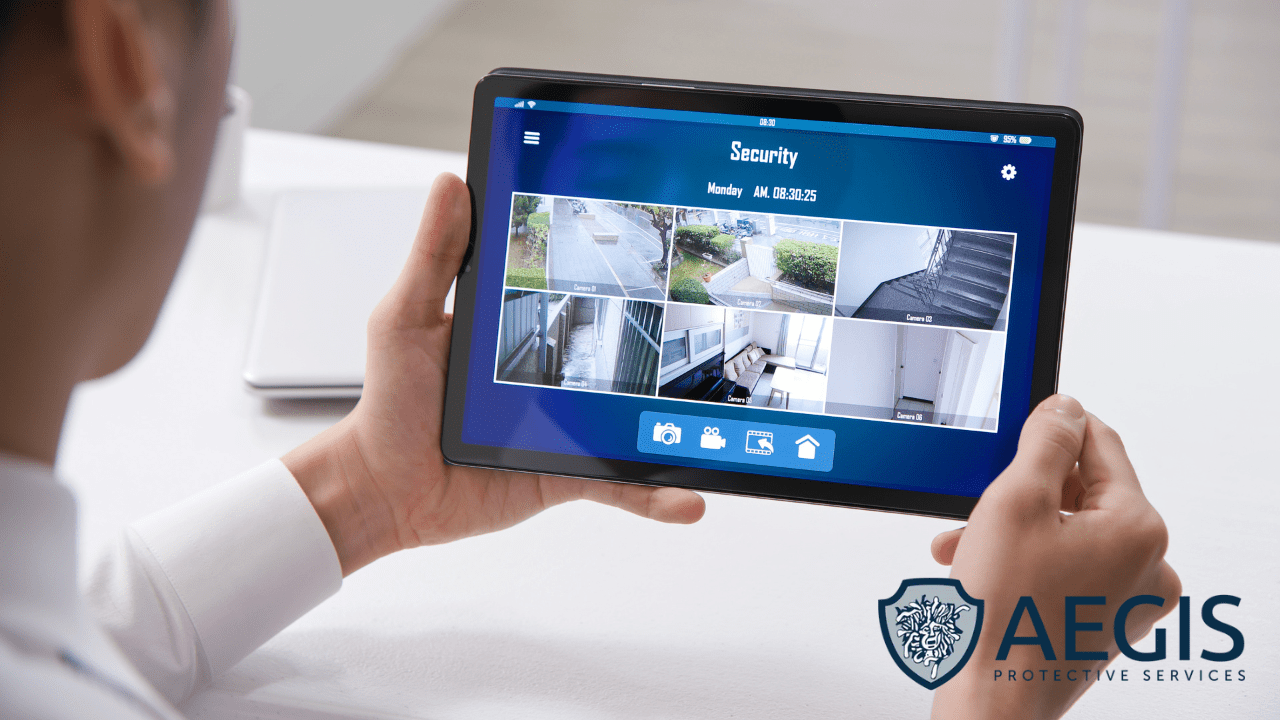
Video analytics detect loitering, unauthorized door access, or people in restricted zones, triggering alerts to remote operators who can issue live audio warnings. Verified events are escalated to local officers or law enforcement when needed. Cloud-based management allows property managers to review live feeds and incident clips from their own devices.
Access Control and Tenant Entry Systems
Controlling and documenting who enters your building and specific floors is foundational to modern commercial security. Access control eliminates reliance on physical keys while creating automatic audit trails of all entry activity.
Typical access control tools include:
- Proximity cards and mobile credentials
- PIN pads for general access
- Biometric readers for high-security areas
- Integrated visitor management software
Tenant entry systems work alongside visitor management—intercoms, video entry, pre-registered visitors, and digital badges issued at the lobby desk by guards. Cloud-based access control provides multi-building oversight, off-site door lock/unlock commands, and simplified credential management when tenants change.
Video Surveillance and Intrusion Detection
Surveillance systems and intrusion detection serve as the “eyes and ears” of your building, working closely with guards and patrols to prevent incidents before they cause financial loss.
Priority camera coverage areas:
- Main entrances and lobbies
- Loading docks and delivery areas
- Elevators and stairwells
- Reception desks
- Parking garages
- Previous incident locations
Intrusion detection should cover exterior doors, roof hatches, storage rooms, telecom closets, and mechanical spaces. Alerts from alarm systems and camera analytics display in a centralized platform used by both on-site guards and remote operators, ensuring coordinated response.
Visitor Management and Lobby Security
Lobbies serve dual purposes as customer-facing spaces and critical security checkpoints. In high-traffic commercial buildings, professional guards balance welcoming visitors with preventing unauthorized entry.
Best practices include:
- Check-in desks staffed by uniformed officers
- Digital visitor management with photo badges
- Policies requiring hosts to escort visitors
- Turnstile or elevator destination systems tied to credentials
During morning rush in a downtown office tower, coordinated guard and system procedures keep traffic moving efficiently while maintaining security. Guards enforce visitor policies, prevent tailgating, and verify that guests access only authorized tenant floors.
Emergency Response, Incident Management, and Training
Commercial building security must include clear procedures for fires, medical emergencies, threats of violence, and severe weather events. Professional guards receive ongoing training in handling emergencies and incident documentation.
Guard responsibilities during emergencies:
- Contacting 911 and coordinating with first responders
- Initiating evacuation procedures
- Assisting persons with disabilities
- Securing critical areas
- Documenting events for post-incident review
Written emergency plans, floor wardens, and regular maintenance drills involving both security officers and tenant representatives ensure everyone knows their role when seconds count.
Choosing a Security Partner for Commercial Building Protection
Selecting the right security services partner is as important as choosing the right cameras or access hardware. Look for providers with proven track records, relevant experience, and integrated capabilities.
Key evaluation criteria:
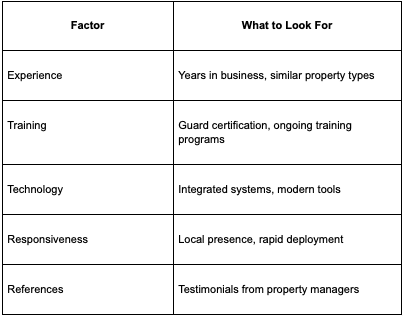
Aegis positions itself as a single-source partner: security consulting, guard services, mobile patrol, remote guarding, and installation/maintenance of access control, video, alarms, and tenant entry systems. Our 30+ years of experience and high client retention reflect our commitment to business success for every property we protect.
Frequently Asked Questions About Commercial Building Guard Services
How many guards does a typical 10-story office building need during business hours?
Staffing depends on traffic volume, number of entrances, and tenant security requirements. Most buildings start with one lobby officer and adjust based on risk assessment findings.
What’s the difference between on-site officers, mobile patrol, and remote guarding?
On-site officers provide continuous presence at your property. Mobile patrol covers multiple sites with scheduled and random visits. Remote guarding uses cameras and off-site operators for real time monitoring without physical presence.
How do guard services integrate with existing access control and cameras?
Guards receive alerts from access control violations and review live video feeds. This integration allows customized solutions where technology flags issues and trained personnel respond.
What factors affect monthly security costs?
Risk level, hours of coverage, armed vs. unarmed status, and technology integration all influence your budget. A comprehensive assessment identifies where to invest for maximum protection.
How quickly can a commercial guard program be implemented?
Most guard programs can launch within a few weeks. Technology projects like access control or surveillance systems may take longer depending on scope and permitting requirements.
Ready to build a holistic security plan for your commercial property? Businesses nationwide can schedule a security assessment with Aegis Protective Services to evaluate your unique security needs and design integrated protection combining professional guards with modern electronic systems.